
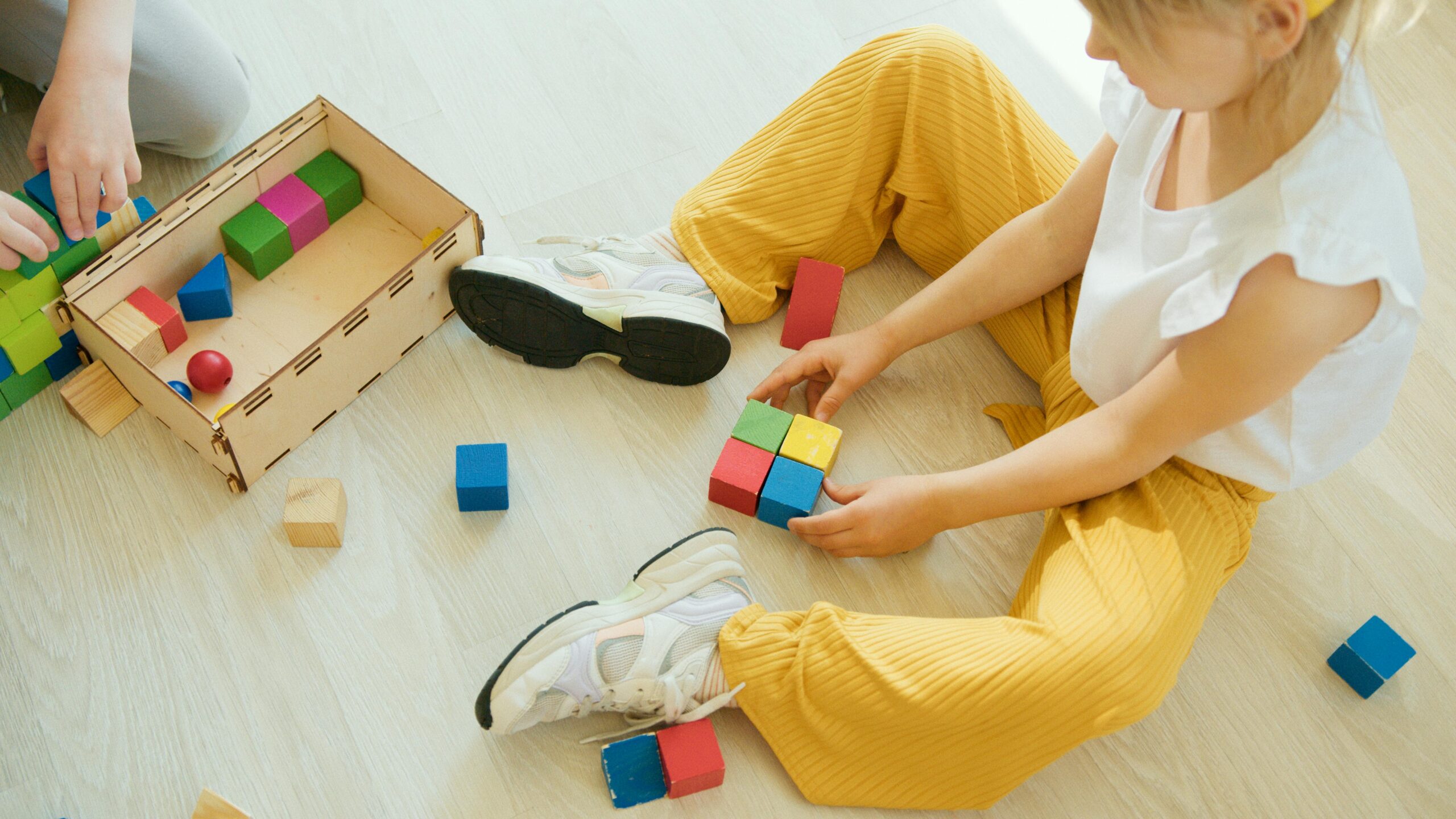
Play is one of the most natural ways children learn about the world. It is how they explore, communicate, and connect with others. In ABA therapy, play is not just something children do for fun—it becomes a powerful tool for building important life skills.
Shared play, in particular, plays a key role in helping children develop social, emotional, and communication abilities that carry into everyday life.
What Is Shared Play?
Shared play happens when a child engages in an activity with another person. This can be a therapist, a parent, a sibling, or a peer.
Instead of playing alone, the child begins to:
- notice others
- respond to interaction
- participate in simple back-and-forth activities
- share attention during play
These moments may seem simple, but they are the foundation for meaningful social development.
Why Shared Play Matters
Shared play helps children learn how to connect with others. It introduces the idea that interaction can be enjoyable and rewarding.
Through shared play, children begin to:
- take turns
- follow simple social cues
- stay engaged with another person
- respond to communication
- build early friendships
These skills support both social confidence and emotional growth.
Building Communication Through Play
Play creates natural opportunities for communication.
During shared play, children may:
- request toys
- respond to prompts
- use gestures or words
- make eye contact
- share attention with another person
Because play is motivating, children are often more willing to communicate in these moments.
Supporting Emotional Connection
Shared play is not only about skills—it is also about connection.
When a child enjoys an activity with another person, they begin to form a positive emotional bond. These experiences help children feel:
- understood
- supported
- connected
- safe
Emotional connection strengthens relationships and makes learning more meaningful.
Teaching Play Step by Step
Not all children naturally engage in shared play. ABA therapy introduces these skills gradually.
A child may begin by:
- playing near another person
- accepting interaction
- engaging in simple back-and-forth play
- increasing participation over time
Each step builds comfort and confidence.
The Role of Reinforcement
Positive reinforcement helps children understand that shared play is enjoyable.
When a child engages in play with others, their effort is recognized. This encourages them to continue participating and interacting.
Reinforcement may include:
- praise
- smiles and positive attention
- continuation of a preferred activity
These responses help strengthen social engagement.
Practicing in Everyday Life
Shared play is not limited to therapy sessions. It can happen throughout daily life.
Children can practice shared play during:
- playtime with parents
- interactions with siblings
- group activities
- simple games at home
These opportunities help turn learned skills into natural behaviors.
The Role of Parents and Caregivers
Families play an important role in supporting shared play.
Parents can encourage interaction by:
- joining their child’s play
- following the child’s interests
- modeling simple play behaviors
- encouraging turn-taking
These small actions help build stronger connections and support development.
Recognizing Progress
Progress in shared play may begin with small changes.
You may notice:
- increased eye contact
- longer engagement during play
- more interaction with others
- improved response to social cues
These signs show that the child is building important social skills.
Supporting Long-Term Growth
Shared play supports more than just interaction. It helps children develop skills that lead to:
- stronger relationships
- improved communication
- better social understanding
- increased confidence
These abilities support success in school, at home, and in the community.
Moving Forward
Shared play is a powerful part of ABA therapy. It turns simple moments into opportunities for connection, learning, and growth.
With consistent support and encouragement, children can learn to engage with others, build relationships, and experience the joy of connection.
Each shared moment becomes a step toward meaningful social success.
Call (201) 540-8704 to get started.
Jersey City: 568 Communipaw Avenue, Jersey City, NJ 07304
Piscataway: 1642 Stelton Rd, Suite 403, Piscataway, NJ 08854
Paramus: 11 Park Pl, Paramus, NJ 07652


