
When families think about ABA therapy, they often focus on skill development—communication, behavior, and independence. But one of the most meaningful outcomes is something deeper: a stronger connection between parent and child.
Connection is the foundation of everything. When children feel understood, supported, and safe, they are more open to learning, communicating, and growing.
ABA therapy, when done the right way, does not replace the parent’s role. It strengthens it.
Why Connection Matters
A strong parent–child connection helps children feel secure in their environment. This sense of security supports emotional development, learning, and behavior.
When connection is strong, children are more likely to:
- communicate their needs
- respond to guidance
- engage in shared activities
- feel calm during challenges
- build trust with caregivers
Connection is not just emotional. It directly impacts how children learn and interact.
Understanding Your Child’s Perspective
One of the first steps in building connection is understanding how your child experiences the world.
Children in ABA therapy may:
- process information differently
- struggle to express needs
- feel overwhelmed in certain situations
- rely on routines for comfort
ABA therapy helps identify these patterns so parents can respond in ways that feel supportive rather than confusing.
When parents understand the “why” behind behaviors, connection becomes easier.
Using Communication to Strengthen Relationships
Communication is a key part of connection. As children learn to express themselves more clearly, frustration often decreases and interaction improves.
ABA therapy supports communication by:
- encouraging children to express needs
- reinforcing communication attempts
- teaching alternative ways to communicate when needed
As communication improves, parents and children can better understand each other, leading to stronger relationships.
Creating Positive Shared Experiences
Connection grows through shared experiences.
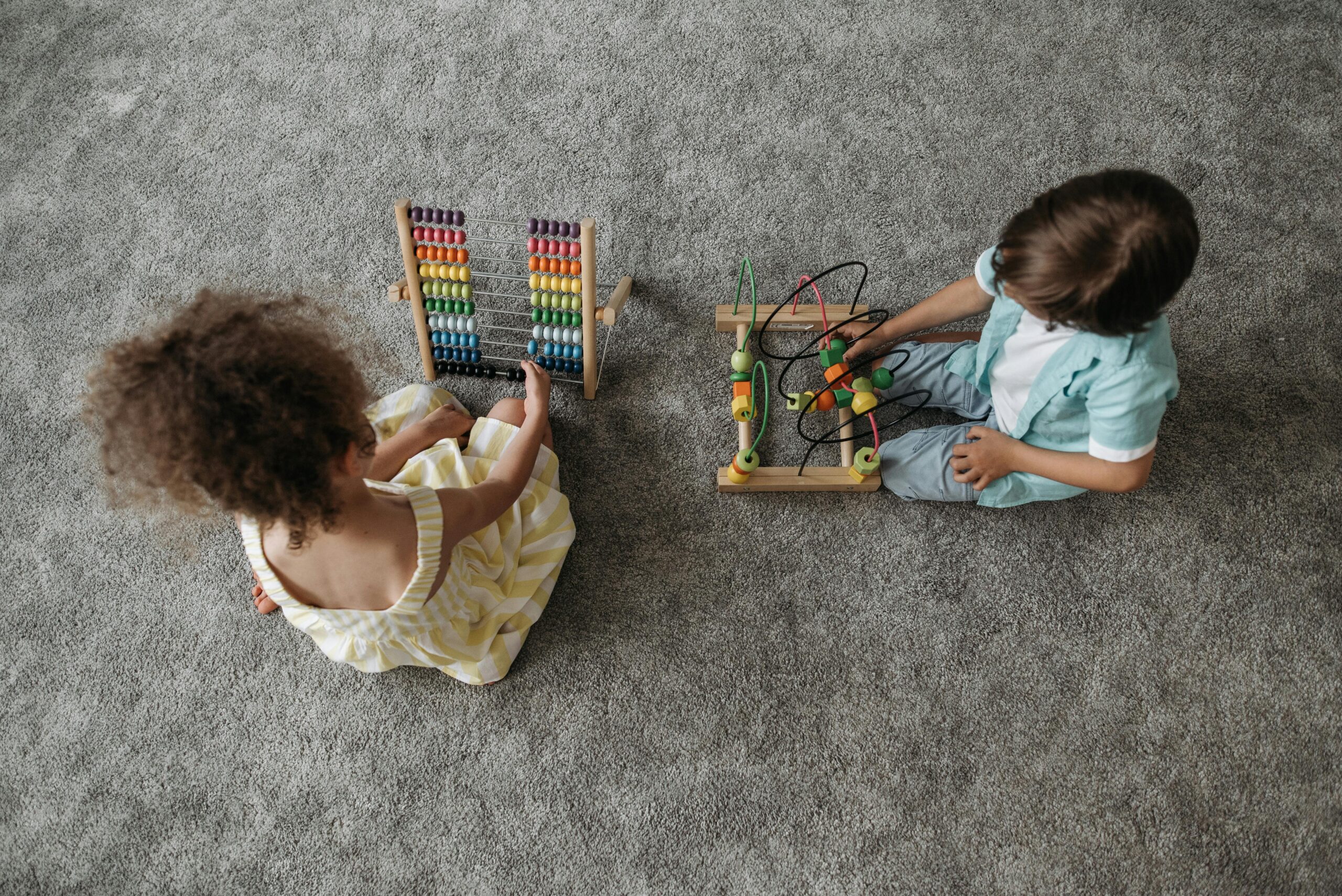
ABA therapy often incorporates play and interaction into learning. These moments are not just about skill-building—they are opportunities for bonding.
Simple activities can strengthen connection, such as:
- playing together
- reading books
- completing routines side by side
- celebrating small successes
These interactions help children associate learning with positive experiences.
Building Trust Through Consistency
Trust is built when children know what to expect.
Consistent routines, clear expectations, and calm responses help children feel safe. When children trust their environment, they are more willing to engage and cooperate.
Consistency can include:
- predictable daily routines
- clear and simple instructions
- following through on expectations
- responding calmly to challenges
This stability strengthens the parent–child relationship.
Supporting Emotional Moments
Connection is especially important during difficult moments.
When a child is upset, the goal is not just to correct behavior but to support the child through the emotion.
Parents can strengthen connection by:
- staying calm
- acknowledging feelings
- offering support
- guiding the child toward a solution
These responses help children feel understood, even when they are struggling.
The Role of Parents in ABA Therapy
Parents are not observers in ABA therapy. They are active participants.
Therapists provide guidance, but parents provide the consistency and daily practice that make progress possible.
When parents are involved, children benefit from:
- consistent expectations across environments
- more opportunities to practice skills
- stronger emotional support
This collaboration leads to better outcomes and stronger relationships.
Recognizing Growth in Connection
Stronger connection may appear in small but meaningful ways.
You may notice:
- more eye contact
- increased engagement during activities
- improved communication
- greater comfort during routines
- more shared moments of interaction
These changes reflect a deeper bond between parent and child.
Supporting Long-Term Relationships
The goal of ABA therapy is not just skill development. It is helping children build meaningful, lasting relationships.
A strong parent–child connection supports:
- emotional well-being
- communication growth
- social development
- long-term independence
These benefits extend far beyond therapy sessions.
Moving Forward
Connection is at the heart of effective ABA therapy.
When children feel supported, understood, and valued, they are more open to learning and growth. Parents play a central role in creating that environment.
With the right guidance and consistent support, ABA therapy can strengthen not only skills but relationships.
And those relationships become the foundation for everything that follows.
Call (201) 540-8704 to get started.
Jersey City: 568 Communipaw Avenue, Jersey City, NJ 07304
Piscataway: 1642 Stelton Rd, Suite 403, Piscataway, NJ 08854
Paramus: 11 Park Pl, Paramus, NJ 07652


